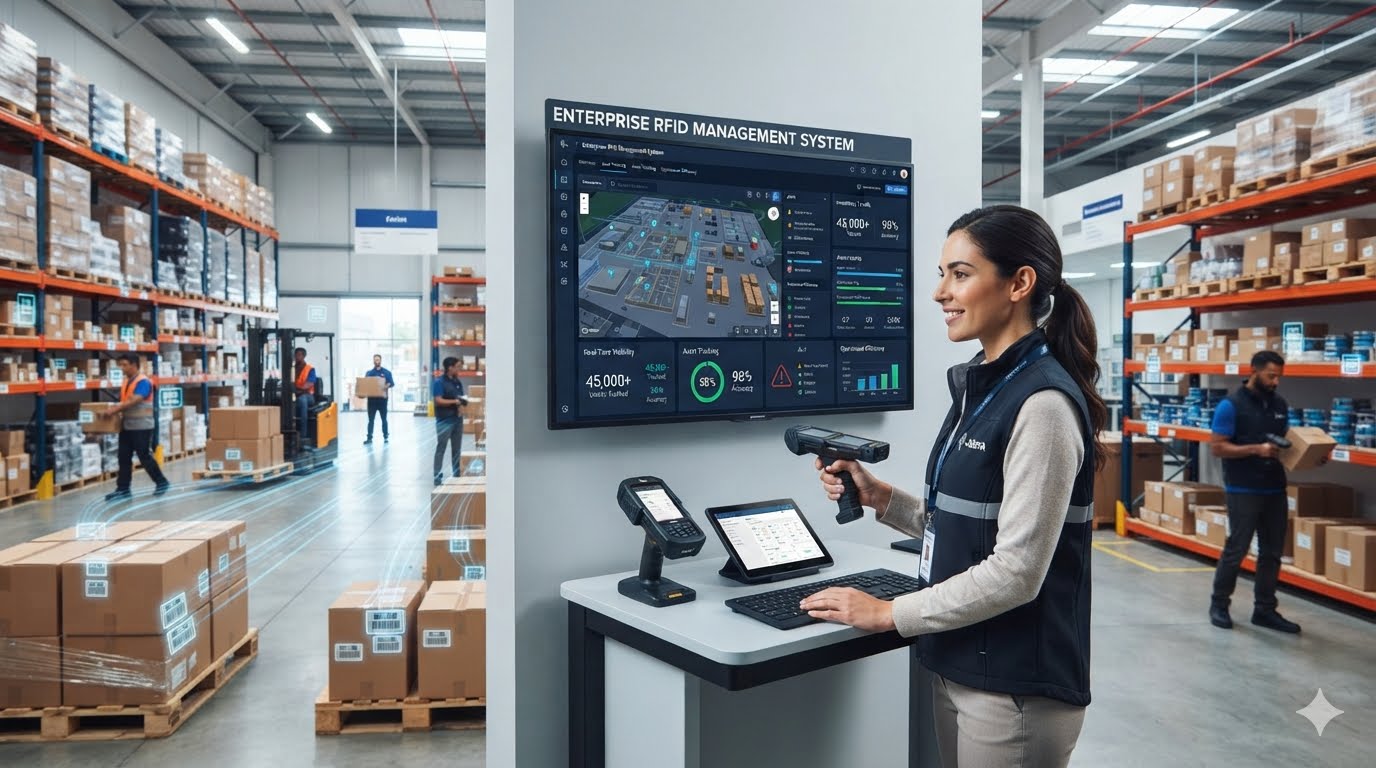
Enterprise management and RFID combines identity and access control, endpoint lifecycle management, network monitoring and RFID-based asset tracking into a single governance framework.
It gives organisations visibility over who accesses systems, what devices are in use, and where physical assets are located — reducing security risk while eliminating manual stock-taking.
Identity & Access Management
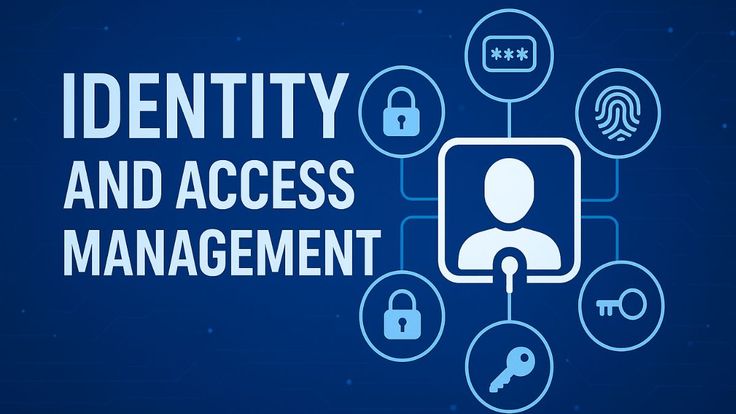
Identity & Access Management helps organizations control who can access systems, applications, and data. It strengthens security by ensuring the right people have the right level of access at the right time. The solution supports secure onboarding, offboarding, access review, and role-based permissions. It reduces risk while improving governance across the enterprise. This creates a stronger foundation for secure digital operations.
Endpoint Lifecycle Management
Endpoint Lifecycle Management covers the complete journey of user devices from procurement to retirement. It helps organizations deploy, manage, secure, maintain, and replace endpoints efficiently. The solution supports consistency across desktops, laptops, and other user devices. It also improves visibility and control throughout the device lifecycle. This enables smoother operations and better user productivity.
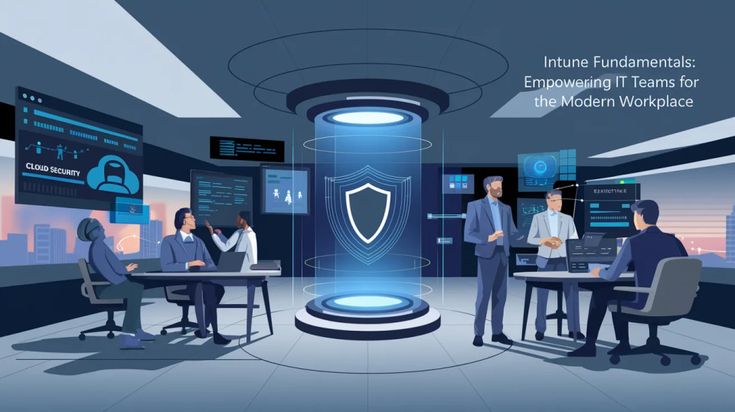
Network Monitoring & Visibility
Network Monitoring & Visibility gives organizations real-time insight into network performance and activity. It helps detect issues early, identify traffic patterns, and improve operational awareness. The solution supports proactive management of infrastructure health and connectivity. It also helps reduce downtime through faster troubleshooting and response. This leads to a more stable and reliable network environment.
Asset Tracking & Discovery
Asset Tracking & Discovery helps organizations maintain accurate visibility of all IT assets across the environment. It identifies hardware, software, and connected devices to support better control and planning. The solution reduces blind spots and improves accountability. It also helps organizations manage assets more efficiently throughout their lifecycle. This strengthens both operational control and resource utilization.

Supply Chain Security Control
Supply Chain Security Control helps protect the technology ecosystem from risks introduced through vendors, partners, and third-party dependencies. It supports better oversight of procurement, sourcing, and delivery processes. The solution helps organizations reduce exposure to counterfeit, compromised, or unverified components. It also improves trust across the supply chain. This adds an important security layer to enterprise operations.

Authentication & Policy Enforcement
Authentication & Policy Enforcement ensures that every access request is verified and aligned with security rules. It helps organizations apply consistent controls across users, devices, and resources. The solution supports stronger identity validation and policy-driven access decisions. It reduces unauthorized access and improves compliance. This creates a more controlled and secure environment.
Operational Intelligence & Analytics
Operational Intelligence & Analytics helps organizations turn infrastructure data into actionable insight. It supports better decision-making by highlighting trends, risks, and performance patterns. The solution improves visibility across operations and helps teams act faster. It also supports continuous improvement through data-driven management. This leads to smarter and more efficient service delivery.

Asset Administration & Governance
Asset Administration & Governance helps organizations manage IT assets with better structure, oversight, and accountability. It supports policies, controls, and reporting across the asset environment. The solution makes it easier to track ownership, usage, and compliance requirements. It also improves coordination between IT, operations, and management teams. This ensures assets are governed effectively throughout their lifecycle.
Frequently Asked Questions
What is identity and access management?
Identity and access management controls who can access which systems, applications and data. It covers role-based permissions, secure onboarding and offboarding, and periodic access reviews that remove privileges no longer needed.
How does RFID asset tracking work?
RFID tags attached to equipment are read automatically by fixed or handheld scanners, recording location and movement. Unlike barcodes, RFID does not need line of sight and can read many tags at once — inventorying a room in seconds rather than hours.
What is endpoint lifecycle management?
Endpoint lifecycle management covers user devices from procurement through deployment, maintenance and secure retirement, keeping configuration consistent and ensuring devices are properly wiped before disposal.
What is the difference between RFID and barcode asset tracking?
Barcodes require line of sight and individual scanning. RFID tags can be read in bulk, at distance and without direct visibility, making them substantially faster for large inventories — though tags cost more per unit.
Why does supply chain security matter for IT equipment?
Compromised or counterfeit components can introduce vulnerabilities before equipment is even deployed. Supply chain controls verify that hardware comes from authorised sources and has not been tampered with in transit.