

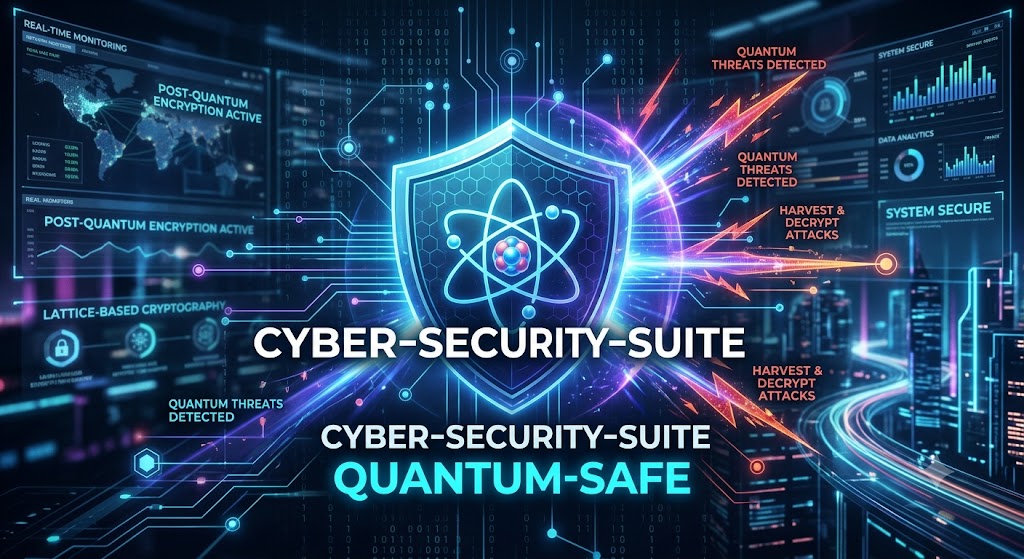
Quantum-safe cyber security protects data against both current attacks and future decryption by quantum computers. It combines post-quantum cryptography, zero-trust access control, AI-powered threat detection and continuous monitoring into a single defence framework.
NSIT Global deploys quantum-safe security for defence organisations, government departments, PSUs and enterprises across India, supporting on-premises, cloud and hybrid environments.
Quantum-Ready Security
Quantum-ready security is the migration of an organisation's cryptography to algorithms that resist attack by quantum computers. It works by auditing where current encryption is used, identifying data with long confidentiality requirements, and replacing vulnerable algorithms with post-quantum standards — typically in phases, running both alongside each other during transition. Key benefits: protection against harvest-now-decrypt-later attacks, compliance readiness as post-quantum standards become mandatory, and no need for disruptive re-encryption later.
Zero-Trust Security Architecture
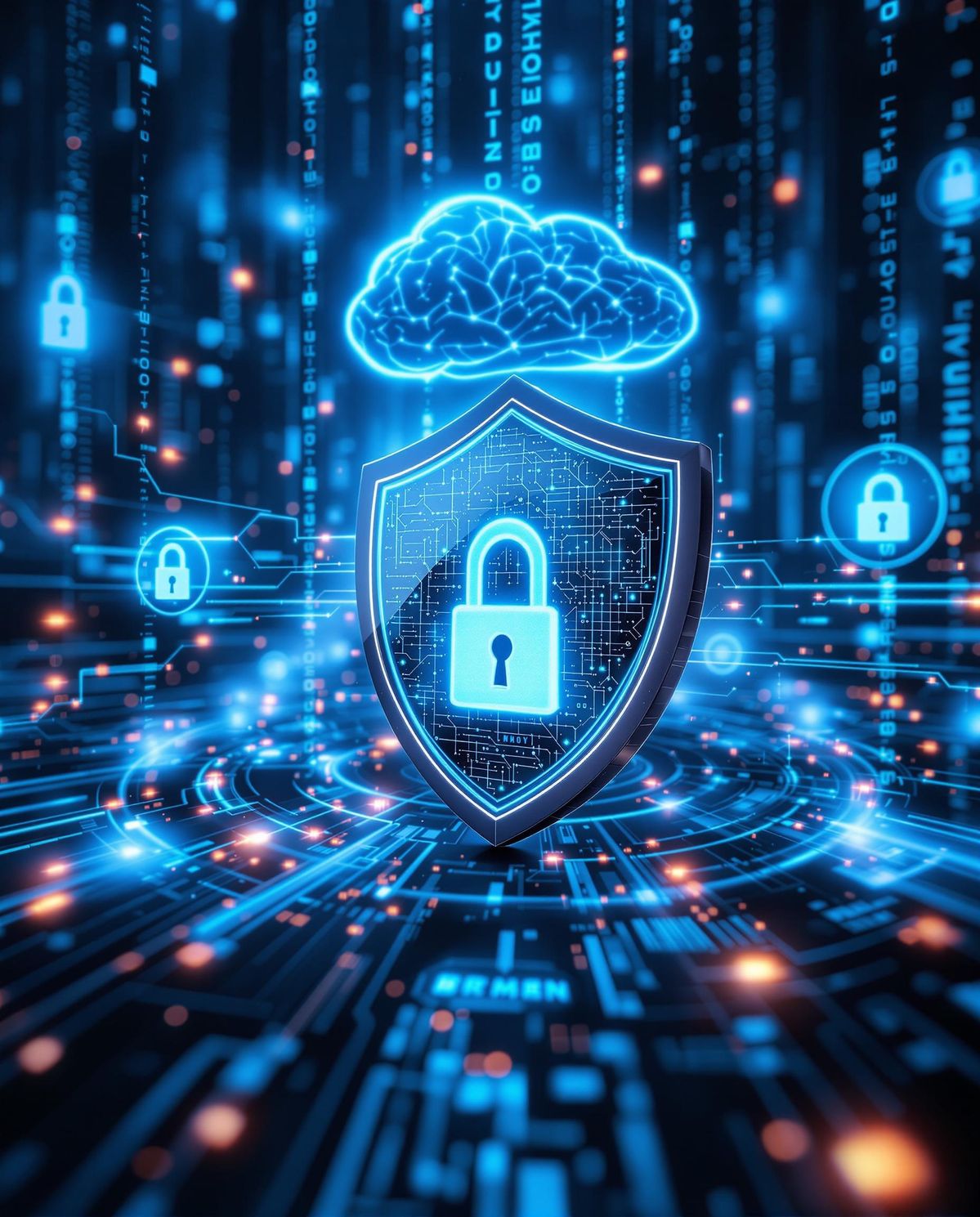
Zero-trust architecture is a security model where no user, device or request is trusted by default, regardless of network location. Every access attempt is authenticated, authorised and continuously validated. Access is granted per-resource rather than per-network, and permissions are scoped to the minimum required. Unlike perimeter security, which protects the boundary but trusts everything inside, zero-trust limits the damage of a breach by preventing lateral movement. Key benefits: reduced blast radius from compromised credentials, consistent policy across cloud and on-premises resources, and clearer audit trails.

Advanced Threat Protection
Advanced threat protection detects and blocks sophisticated attacks that bypass signature-based controls, including ransomware, fileless malware and multi-stage intrusions. It combines endpoint detection, network traffic analysis and sandboxing to identify malicious behaviour rather than known file signatures. Key benefits: detection of zero-day and novel attacks, visibility across endpoints and network simultaneously, and faster containment before an intrusion spreads.
AI-Powered Threat Detection
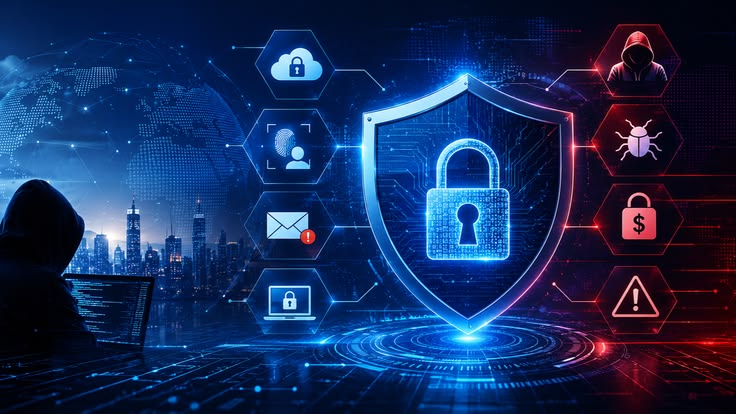
AI-powered threat detection uses machine learning to identify unusual activity across logs, events and network traffic in real time. Models establish a baseline of normal behaviour for each user and system, then flag deviations — an account accessing unusual resources, data moving at atypical volumes, or logins from unexpected locations. Compared with rule-based alerting, this approach surfaces threats without a pre-existing signature and reduces alert fatigue by correlating related events into single incidents. Key benefits: earlier detection of insider threats and credential misuse, fewer false positives, and scalable monitoring across large environments.
Data Protection & Encryption
Data protection and encryption secures information at rest, in transit and in use, preventing unauthorised access even if storage or network traffic is intercepted. It applies encryption at the storage, database and transport layers, with centralised key management controlling who can decrypt what. For future-ready environments, the encryption layer must be crypto-agile — able to swap algorithms as post-quantum standards evolve without re-architecting the system. Key benefits: regulatory compliance for sensitive data, protection against breach exposure, and readiness for cryptographic transition.

Incident Response & Recovery
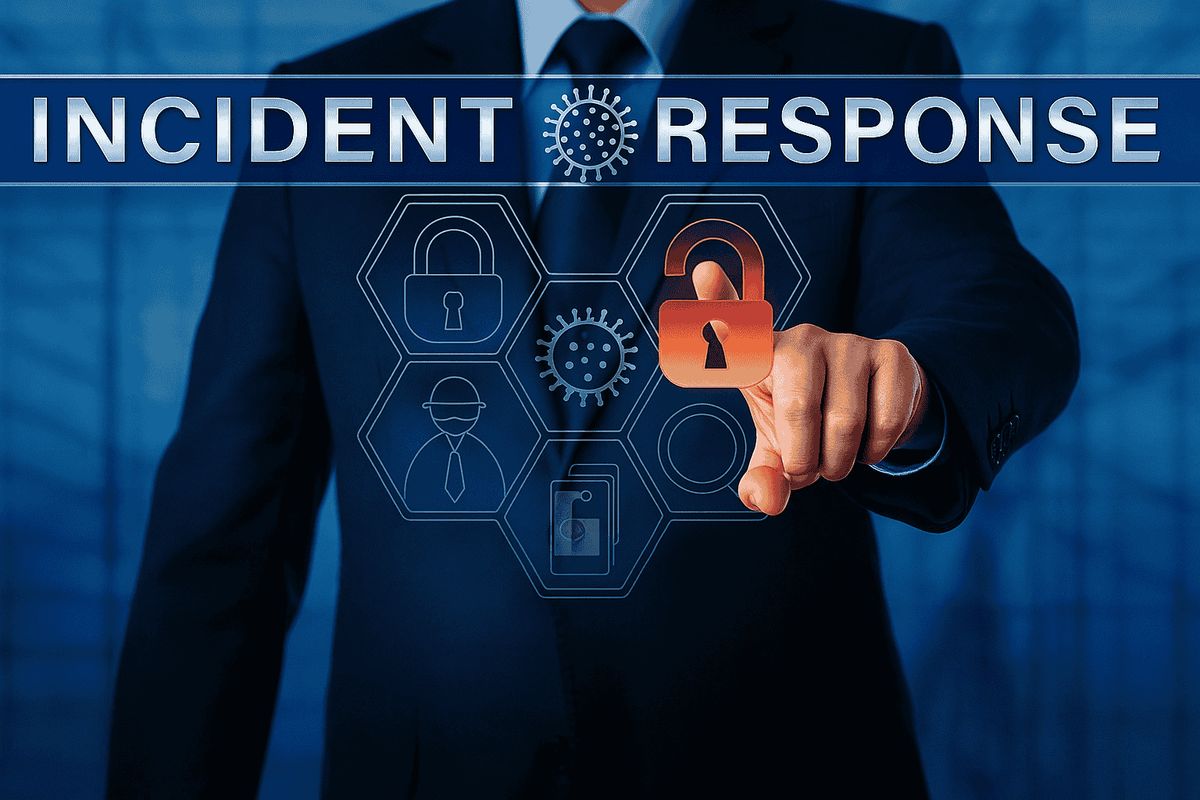
Incident response and recovery is the structured process of containing a security incident, removing the threat and restoring normal operations. It follows four stages: preparation, including documented playbooks and defined roles; containment to isolate affected systems; eradication to remove the attacker's access; and recovery to restore verified-clean systems from backup. Organisations with a tested response plan restore operations substantially faster than those improvising during a crisis. Key benefits: reduced downtime and financial impact, preserved forensic evidence, and clear communication during a crisis.
Continuous Security Monitoring
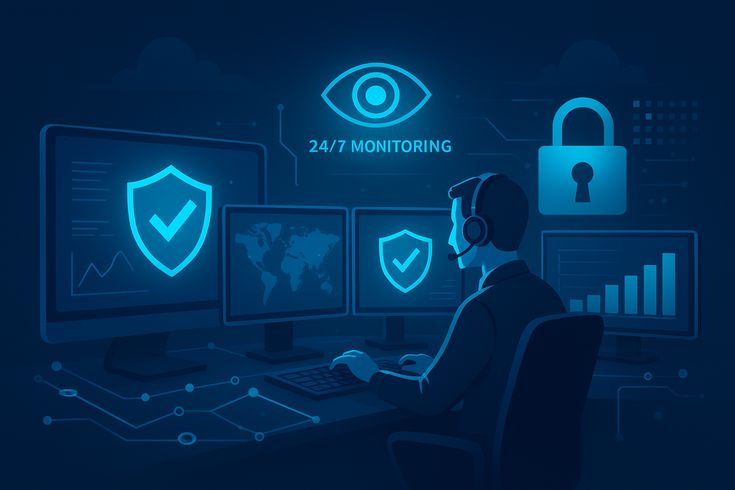
Continuous security monitoring provides real-time visibility across users, devices, applications and network activity, detecting threats as they emerge rather than during periodic reviews. It aggregates telemetry from endpoints, servers, network devices and cloud services into a central platform where correlation rules and analytics identify suspicious patterns. Key benefits: threats identified in minutes rather than weeks, evidence for compliance reporting, and situational awareness across hybrid environments.
Future-Ready Cyber Defense
Future-ready cyber defence is a security architecture designed to adapt as threats, infrastructure and cryptographic standards change. It prioritises modularity — security controls that can be updated or replaced independently — over monolithic systems that require wholesale replacement when requirements shift. Key benefits: protection that scales with organisational growth, ability to adopt new standards without re-architecting, and reduced long-term cost of security modernisation.

Frequently Asked Questions
What is quantum-safe security?
Quantum-safe security uses cryptographic algorithms that remain secure against attacks from quantum computers. Current encryption standards such as RSA and ECC could be broken by a sufficiently powerful quantum computer, so quantum-safe systems migrate to post-quantum algorithms standardised by NIST.
Why does quantum security matter now if quantum computers are not yet practical?
Because of harvest-now-decrypt-later attacks. Adversaries can capture encrypted data today and store it until quantum computers become capable of breaking it. Any data that must stay confidential for more than a few years — defence records, health data, financial archives — is already at risk.
What is zero-trust security architecture?
Zero-trust architecture verifies every access request regardless of its origin. Unlike perimeter-based security, which trusts anything inside the network, zero-trust authenticates and authorises each user and device continuously, limiting how far an attacker can move after a breach.
How does AI-powered threat detection differ from traditional monitoring?
Traditional monitoring matches activity against known attack signatures. AI-powered detection analyses behaviour patterns across logs, events and network traffic to identify anomalies that have no known signature, catching novel attacks and reducing false positives through correlation.
What does incident response and recovery include?
Incident response covers four stages: readiness planning before an attack, containment to stop the spread, eradication to remove the threat, and recovery to restore operations. A documented plan reduces downtime significantly compared with improvised response.
Which organisations need quantum-safe security?
Any organisation handling data with a long confidentiality requirement. This particularly applies to defence and security agencies, government departments, financial institutions, healthcare providers and research bodies where records must remain protected for a decade or more.